


📚 Nonprofit Bookkeeping 101: Essential Tips for Financial Clarity
Managing finances is crucial for nonprofit organizations to achieve their mission effectively. Here’s a quick guide to mastering the basics of nonprofit bookkeeping:
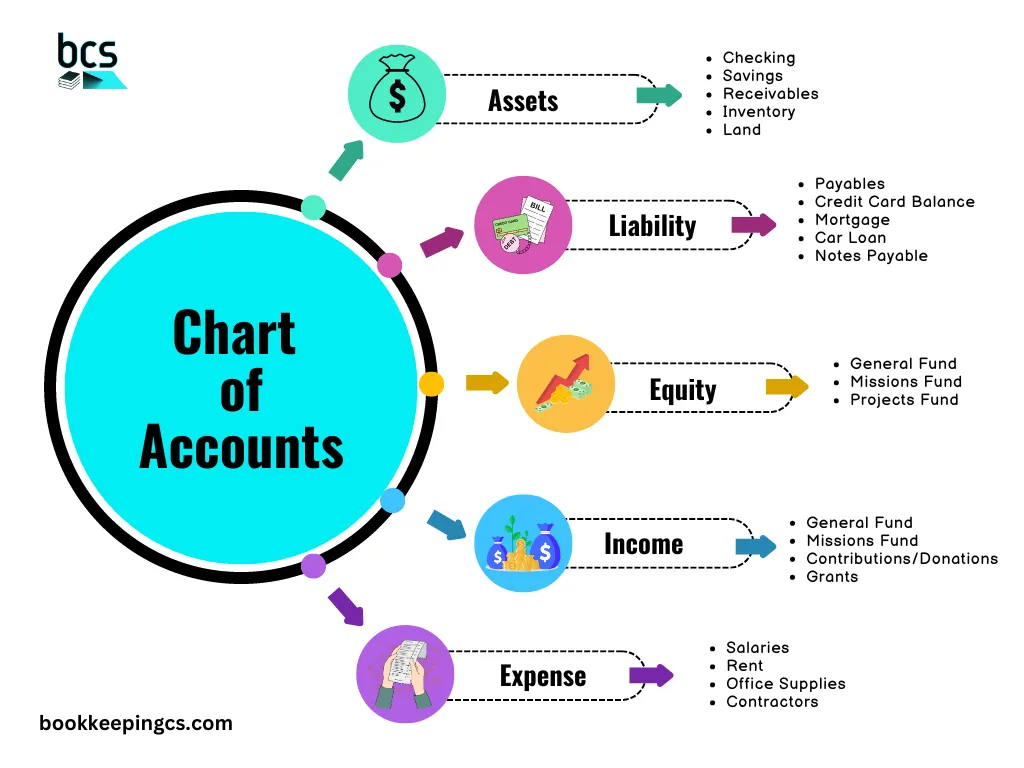
Setting Up Your Chart of Accounts
This is your financial foundation. It’s a comprehensive list of accounts to classify, record, and report transactions. The proper setup helps in tracking all financial activities efficiently.
Recording Transactions
Ensure every financial transaction is accurately documented. Identify the type, affect the appropriate account, and keep thorough documentation.
Managing Accounts Payable and Receivable
Keep a vigilant eye on bills and payments. Track your receivables’ due dates, maintain precise records, and collect payments promptly.
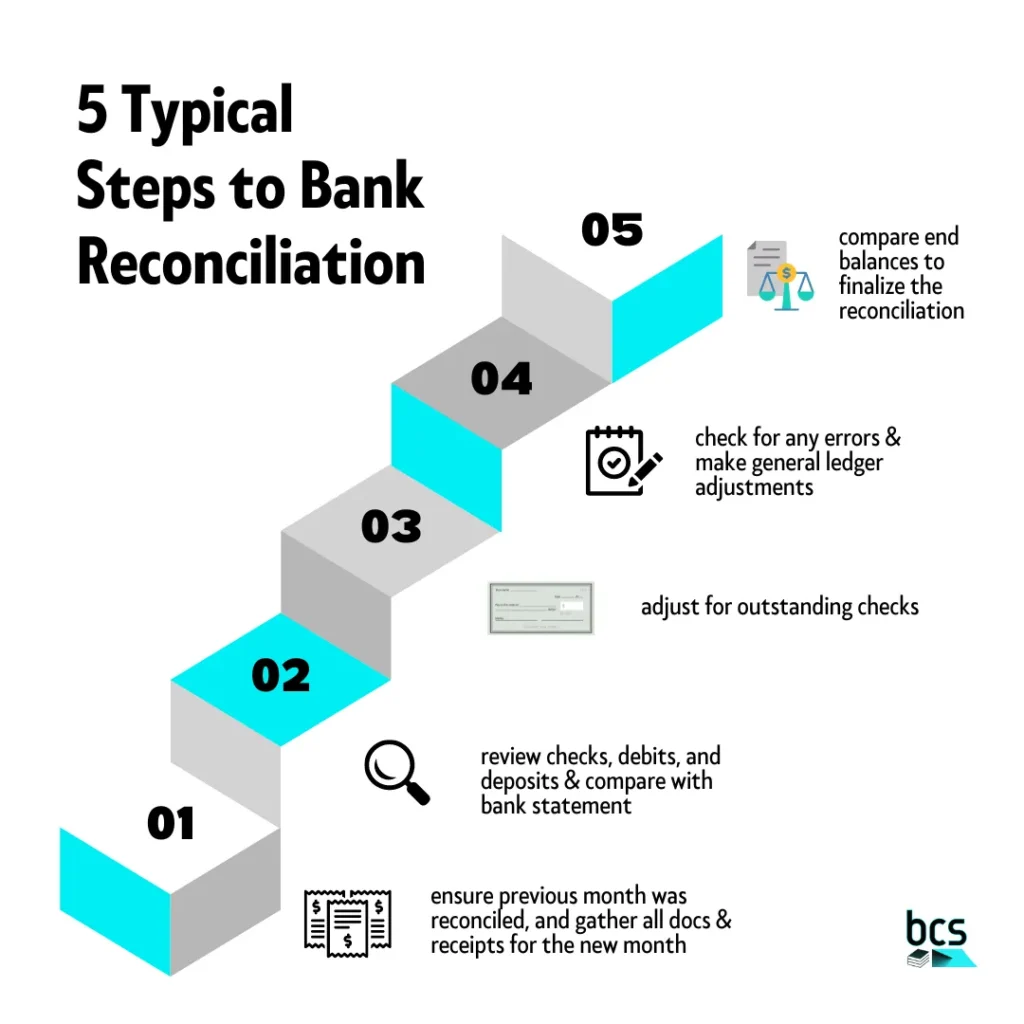
Reconciling Bank Accounts
Regular reconciliations are your defense against errors and fraud. Compare your nonprofit records with bank statements to ensure all data matches accurately. Credit Cards and Petty Cash should also be reconciled.
Generating Financial Reports
Regularly produce financial reports. They provide insights into your nonprofit’s financial health and aid in informed decision-making
End of Month Reviews
This can help catch errors such as data entry mistakes, misclassifying accounts, and neglecting reconciliations. which can lead to financial discrepancies and inaccurate data.
Choosing Bookkeeping Software
Pick software that fits your nonprofit’s needs based on cost, user-friendliness, and necessary features.
By focusing on these key areas, nonprofits can maintain financial integrity and support their mission more effectively.