
Creating a Projected Budget
TIPS ON CREATING A PROJECTED BUDGET FOR MY NPO
Creating a projected budget is just as much about planning & process as it is about numbers.
The numbers are important, of course, but the process allows you to see beyond the numbers in front of you. Having a budget:
- allows you to set & understand your fundraising goals and overall goals for your organization
- it gives you a better picture of what you can afford & allows you to make better decisions for the benefit of your organization
- helps create broader accountability
- helps you to stay on track & avoid surprises
- helps you with maintaining control & avoid temper spending or overspending
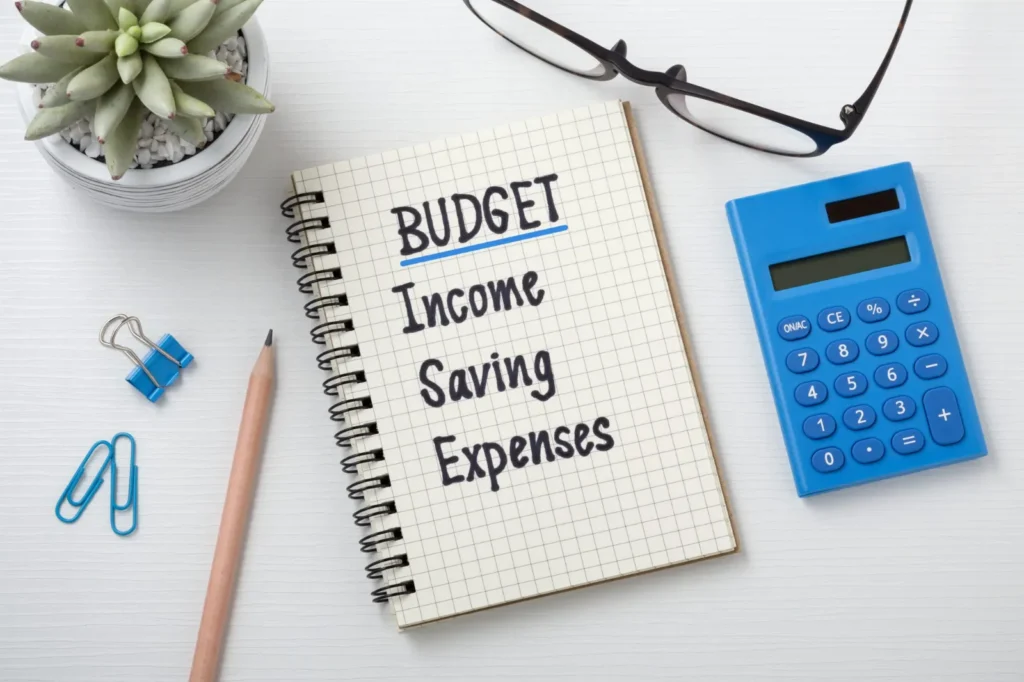
But, what’s a budget? A simple & straightforward definition is “an estimate of income and expenditures for a set period of time.” In other words, a document that reflects the priorities of an organization!
And; most people think and are under the impression that the budget of a nonprofit always has to break even – OR – that nonprofits shouldn’t or can’t have surpluses. THAT IS NOT THE CASE AT ALL!
- YES, NONPROFITS CAN HAVE A SURPLUS
- YES, HAVING A SURPLUS IN YOUR BUDGET CAN BE A POWERFUL THING!
Having a surplus, meaning, cash reserves, gives you more ownership over your decisions and can be a lifesaver in the face of an emergency. So, it is a great idea to consider budgeting for a surplus – designating reserve funds as an opportunity to support, in the future, new initiatives, new programs & new projects.
Here are some helpful tips for creating a budget:
- set organizational goals & begin creating the budget needed to accomplish them
- go over estimated expenses for things your NPO really needs to conduct activities (ex: program & office supplies & equipment)
- develop ways of estimating your expenses – begin with the absolute necessities (ex: rent, payroll, utilities, insurance)
- go over estimated expenses for anything else your NPO is obligated to pay or can’t do without (ex: loan payments, consulting services such as development, annual audit, accounting, or bookkeeping services)
THEN 👇👇👇
- review the draft budget to verify that the draft meets the organization’s financial goals
- review AGAIN & discuss all assumptions with key staff members and the board
- make adjustments based on the goals and capacity to match income and expenses
Yes, it will take some back & forth – it will take time – it will take multiple drafts before getting to a version that’s in line with your NPO’s current financial situation & your goals.
- NO BUDGET IS CERTAIN
- THERE’S NO RIGHT OR WRONG AMOUNT
- IT IS PART OF THE PROCESS!
BUT, everyone involved needs to have a shared understanding of the planning, the process, the goals, the risks & the bottom line.
AND, it’s important that you start this process at least 3 months before the next fiscal year starts.
BUT, if you started creating your budget & feel stuck – OR – if you haven’t started & need help.
Contact us….BCS will be happy to help!